

Everest to Social Care
Daisy’s Journey to Mount Everest Base Camp
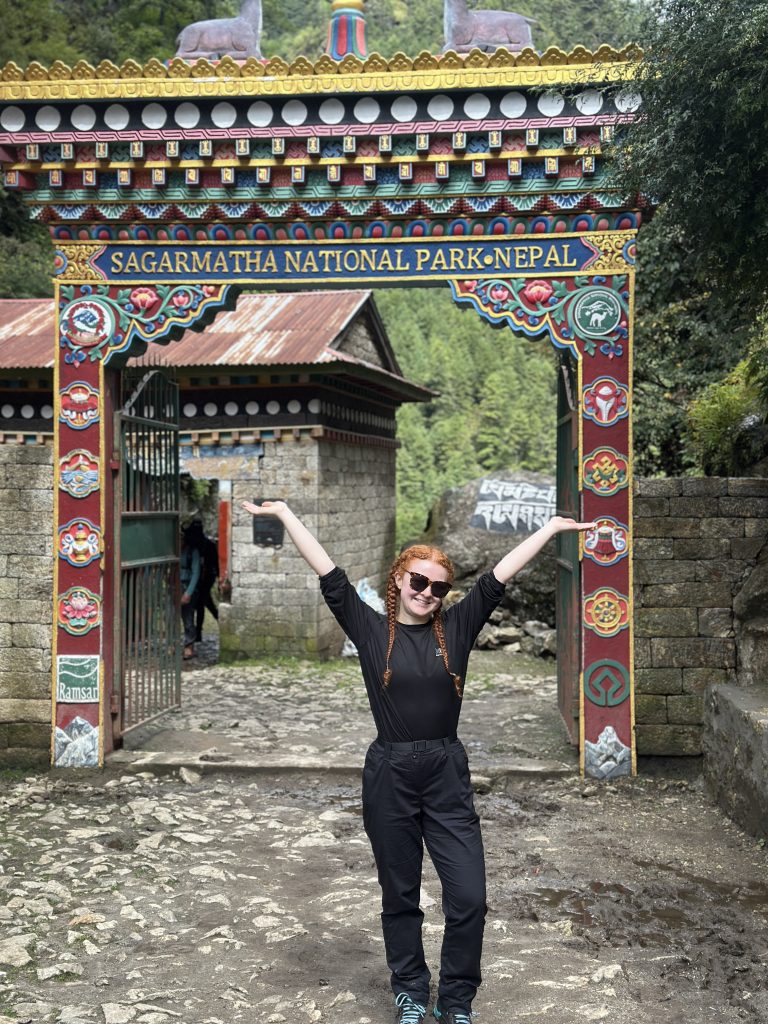
Stepping into a new role as a Service Manager in social care is a challenge in itself, one that calls for resilience, clarity, and the ability to support others through uncertain terrain. For Daisy, who progressed internally after working as a Support Practitioner and completing our Aspiring Managers Development Programme, those qualities were strengthened on the steep, icy paths leading to Everest Base Camp.
Her journey wasn’t just a physical test, it became a lesson in mindset, teamwork, and determination. And in her own words, the experience continues to influence how she leads, supports, and inspires her team today.
What inspired you to take on the challenge of trekking to Everest Base Camp?
I have always been quite an active person, but I was starting to get bored of my usual workout routine and was losing motivation to stay active as a result. I decided I needed a goal to work towards in order to stay motivated, but I had no idea what to do. Suddenly videos of people climbing to Everest base camp started to appear more and more on my social media feed. I decided I was up for the challenge and booked myself onto a trek before I could change my mind.
How did you prepare, physically and mentally, for such a demanding adventure?
The leader of the expedition told me as soon as I booked the trek to ‘get comfortable with being uncomfortable.’ I think this changed my mindset from the start as it changed the way that I saw discomfort.
Each time I felt uncomfortable during my training I wanted to slow down or stop but I reminded myself that the more uncomfortable I felt during training the more comfortable I would feel on Everest. It even made me enjoy walking in the pouring rain during the winter!
Physically, I prepared by doing an hour on the treadmill with a 15% incline five nights a week, with a walk in the hills each weekend.
Were there any unexpected challenges and how did you overcome them?
There were so many challenges, some of them expected such as physical exhaustion, sleeping in cold huts and altitude sickness. However, there were a lot of unexpected challenges too. We all arrived during the Nepal protests so our flights were delayed and some of us got stuck in other countries as our flights had to be diverted. Once we got into Nepal our trek was further delayed by bad weather and due to all of this and the dates of our flights home we ended up having to do the whole trek in 10 days instead of the originally planned 14.
How did it feel to finally reach Base Camp?
Reaching Base Camp felt amazing, it had taken so long and we had to overcome so many challenges to get there it just felt surreal. We all collapsed into a big group hug and then our porters got out a speaker and we all just danced and celebrated for over an hour, most people who arrived while we were there only stayed for about five minutes but we just didn’t want to leave. I think it was probably the proudest any of us had ever been of ourselves, and we were really proud of each other too because we knew what we’d each overcome to get there.
You’ve recently joined us as Service Manager; do you see any connections between your Everest experience and leading a team in social care?
I found that a lot of the people in the group needed support and motivation at different moments throughout the trek, which is the same when leading a team. You have to build strong relationships with people from the start in order to know what motivates them and how you can support them through their own challenges.
What advice would you give to others thinking about taking on a big personal challenge?
Every time you want to give up, just imagine yourself completing the challenge. This was a huge motivator for me.
What was the first thing you did when you got home from the trek?
When I got back from the trek, I think I showered for about 30 minutes and then ate as much as I could before having a very long sleep.

Just as she conquered Everest, Daisy is now helping her team navigate challenges and grow their careers in social care. The same qualities that carried her up the mountain now shape the way she approaches her role as a new Service Manager: understanding people, supporting them through challenges, and staying motivated even when the path gets tough.
For us, supporting people to live their best lives starts with the people who lead and inspire our teams. Daisy’s story is a brilliant reminder that resilience is built one step at a time, and that the right support can make all the difference.
If you’re passionate about making a difference and developing your career in social care, explore our vacancies and see where your journey can take you.
Explore our vacancies